March 24, 2026

Insights for Your Hearing Health

Get trusted tips, insights, and hearing health updates from your hearing care team.

Whether you’re exploring solutions for the first time or a long-time hearing aid user, our experts at Professional Hearing Aid Service are here to offer advice and resources to support your journey.

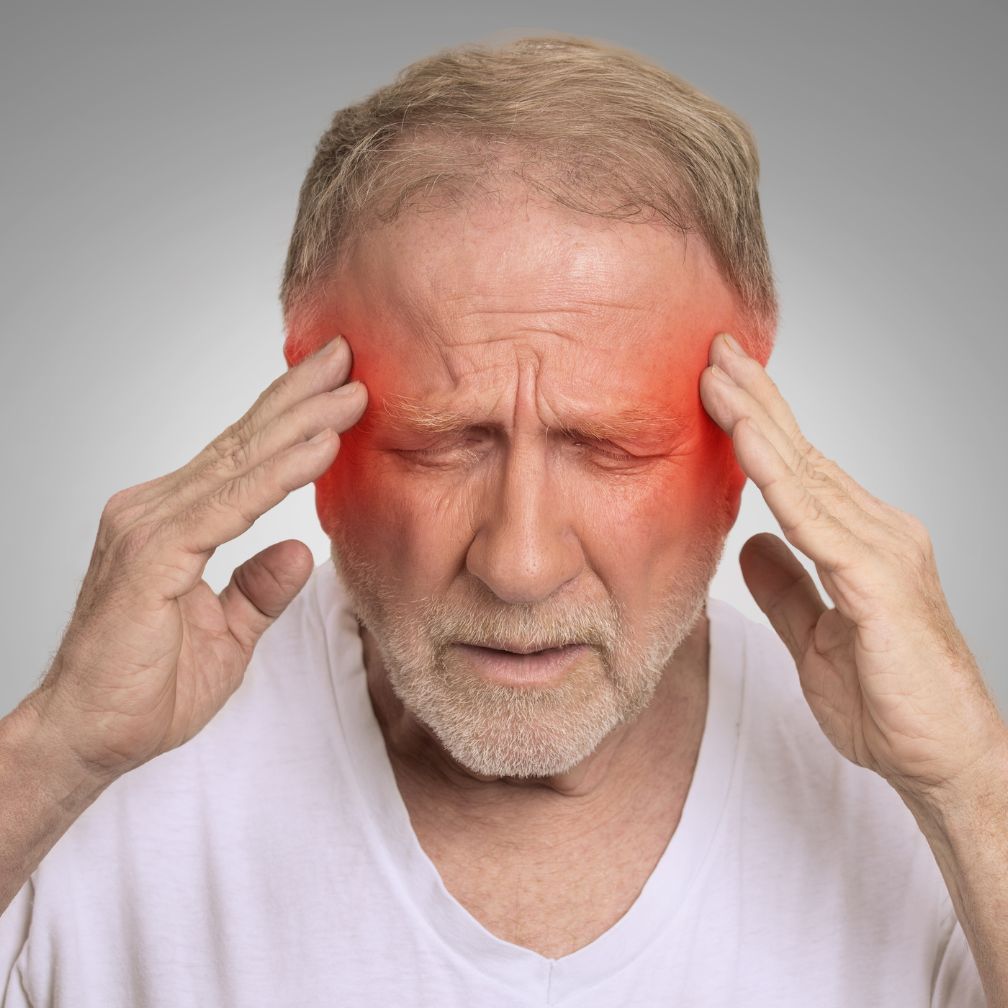
An older man holds his head with both hands, eyes closed in pain. Red shading highlights his temples, indicating a headache or migraine.

What Causes Hearing Aids to Trigger Headaches?

Advanced hearing aids are engineered to support your distinct hearing loss challenges. Whether you are new to wearing hearing aids or have been wearing them for years, if your hearing aids cause headaches or any other type of pain, there is a solution. A well-adjusted hearing aid will sit comfortably within your ear while yielding

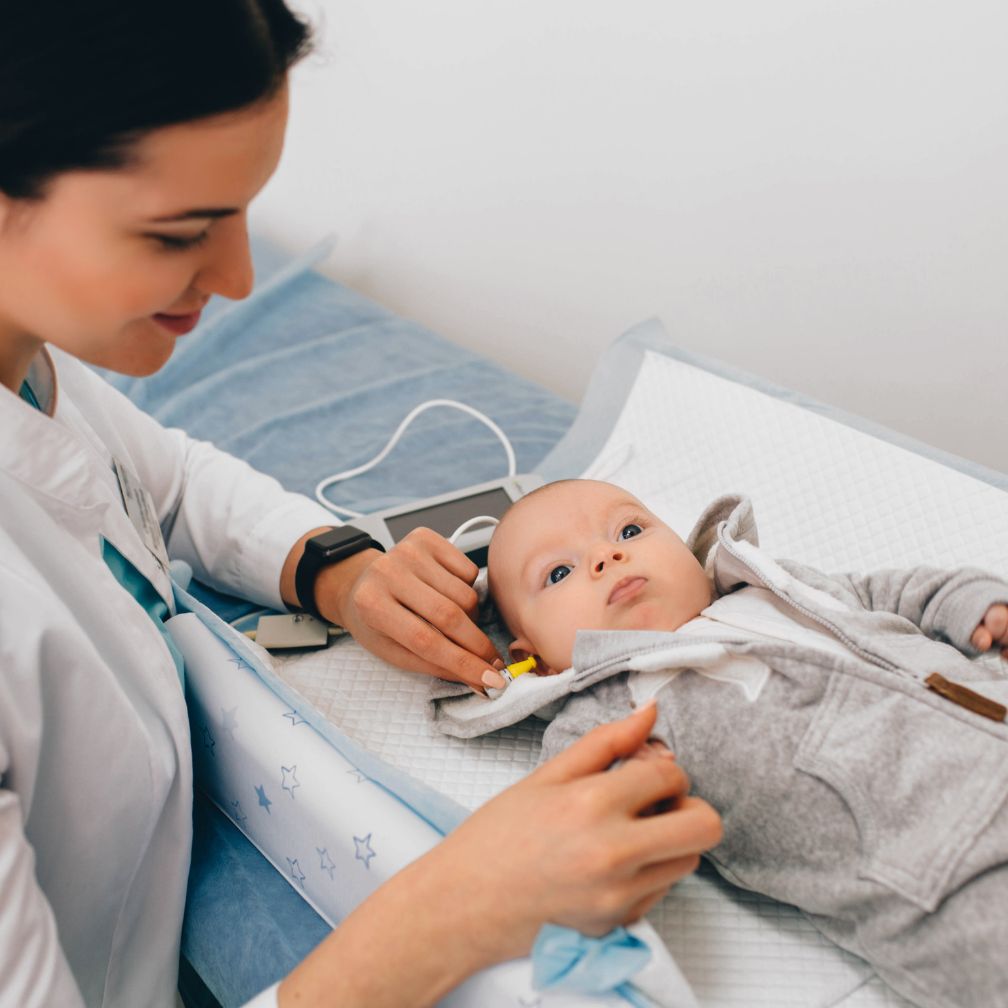
A healthcare professional performs a hearing test on a baby lying on an exam table, using small devices placed in the infants ears. The baby looks up while the professional gently holds the babys hand.

Understanding Next Steps After an Infant Hearing Test Failure

For guardians caring for an infant, understanding that their baby exhibits auditory deficits usually evokes immense internal anxiety. The positive takeaway remains that through the use of early evaluations and supportive care, infants experiencing hearing loss are able to excel. Without doubt, such infants can learn communication, interactive skills, and deep connections across their social

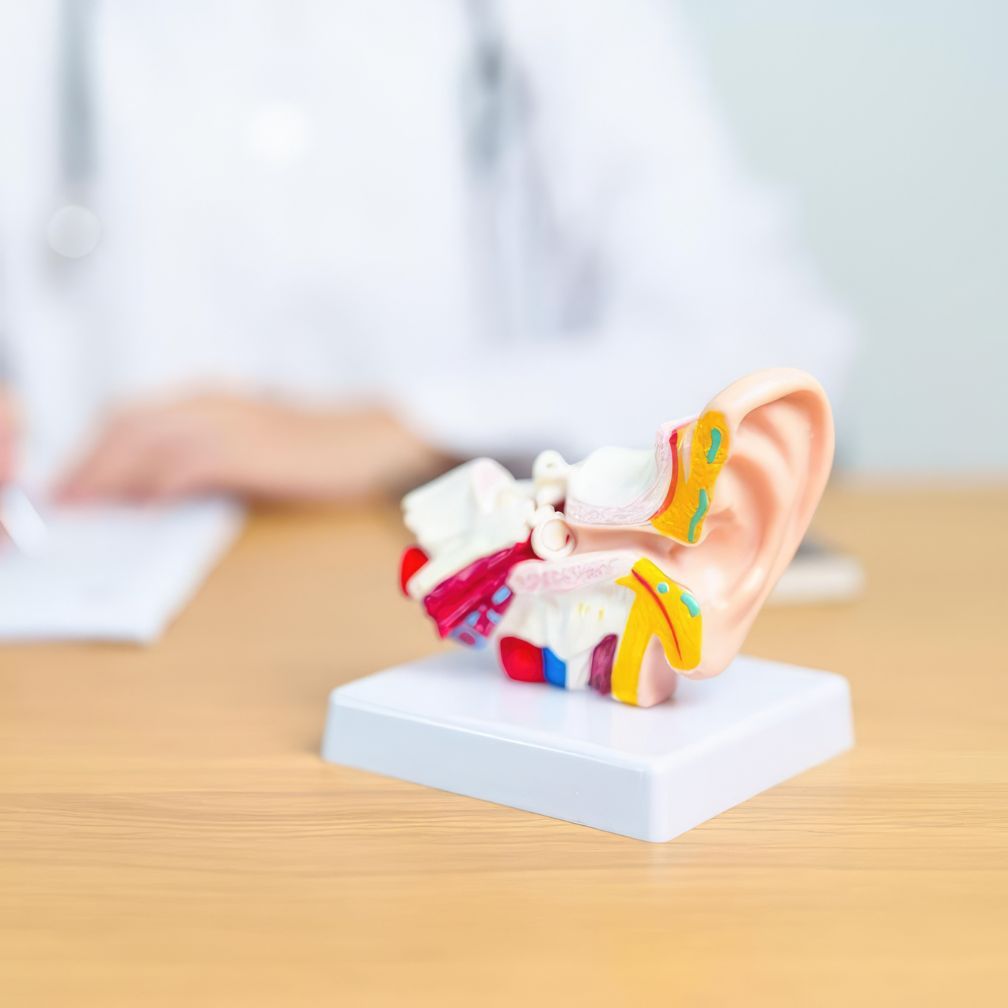
A detailed anatomical model of a human ear sits on a desk, with a person in a white coat writing in the blurred background.

Anatomy and Perception: Examining the Direct Impact of Ear Shape on Hearing

Many individuals have noted that domestic dogs with hanging, floppy ears possess a lower relative listening capacity than those with sharp, pointed ears. Consequently, it is entirely logical that common mammals like felines, canines, and small rodents retain the physical capacity to pivot their outer ears to maximize sound capture from any coordinate. Our furry

Close-up of two hands gripping a steering wheel inside a car, with a blurred view of greenery and the dashboard visible in the background.

Decibel Levels on the Road: Understanding Car Noise and Hearing Loss Risk

You truly cherish the time spent in your vehicle. While you would never surrender the absolute sense of freedom experienced behind the wheel, it is vital to consider whether your car is actively degrading your hearing mechanisms. Let’s look closely at how modern transit modes provoke vehicle-related hearing loss, while introducing straightforward habits to reverse

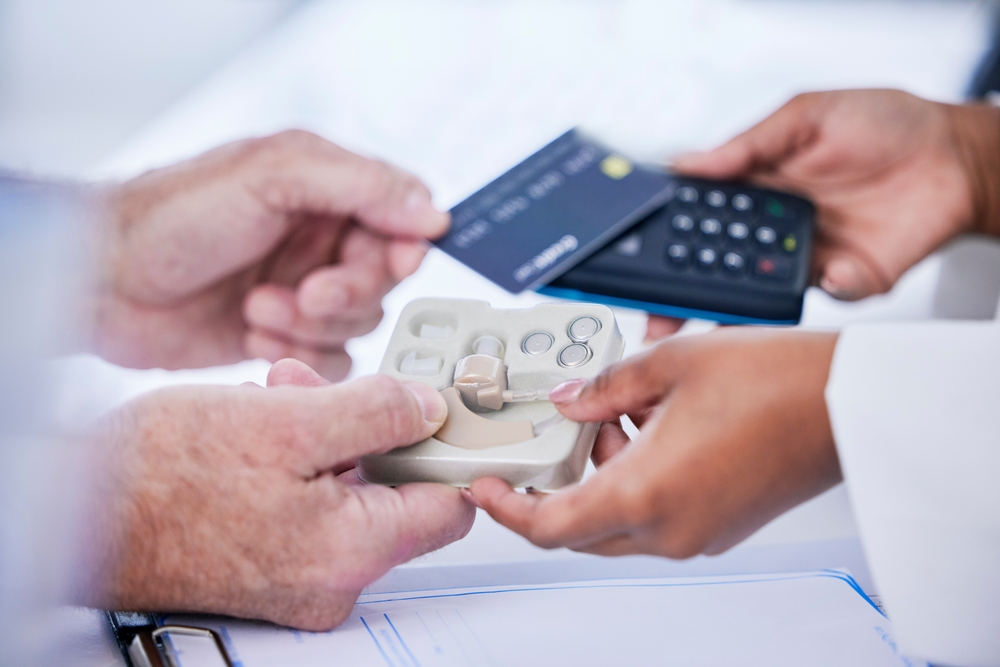
A person makes a payment with a credit card and card reader while receiving a hearing aid from another person, with paperwork visible on the table.

Paying for Modern Hearing Aids: Understanding Your Options

For individuals considering advanced hearing technology, the upfront cost is often one of the first concerns. The total investment can vary considerably depending on the technology selected, the features included, and the level of personalized audiology care provided. For many families, the initial price can feel overwhelming and may even cause them to delay seeking

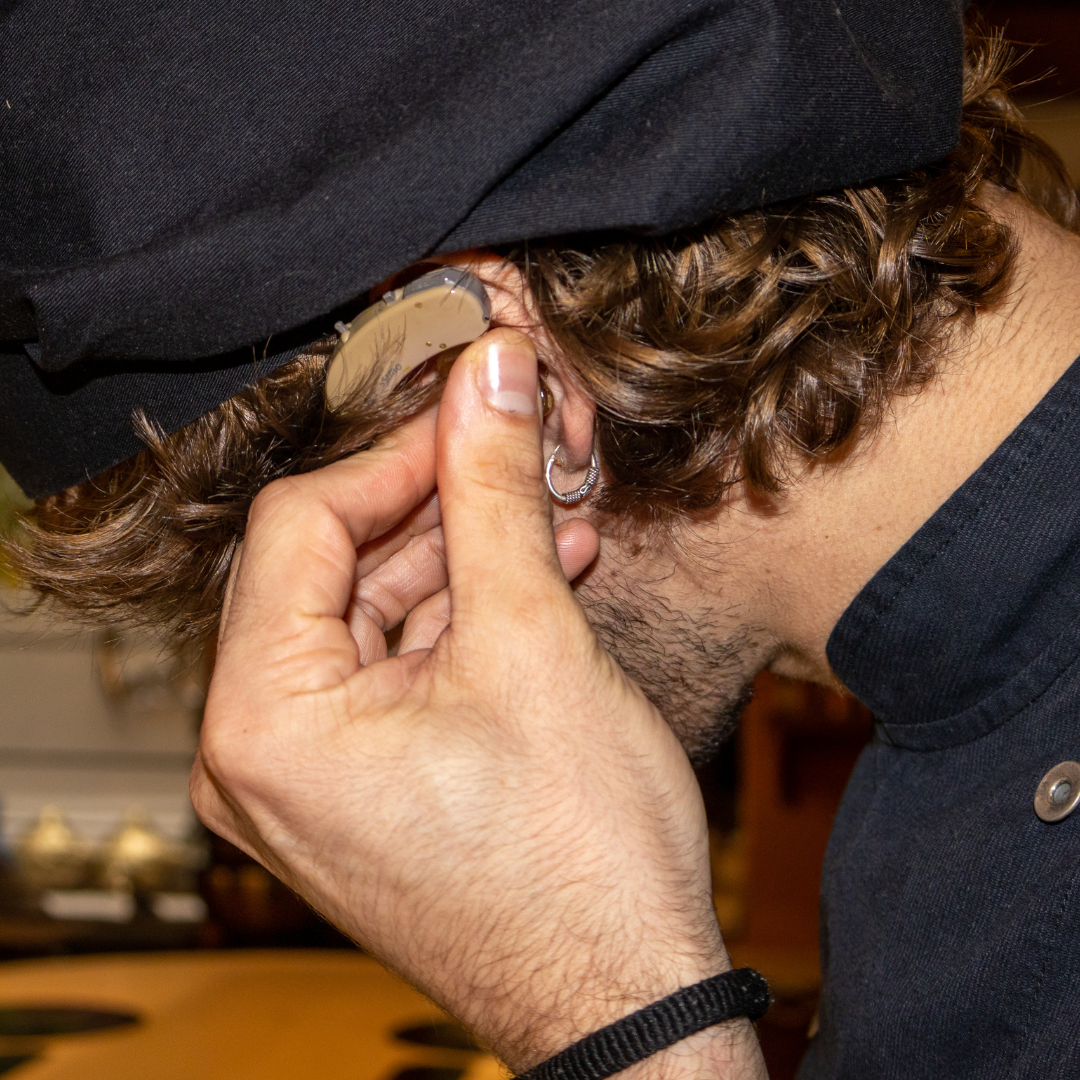
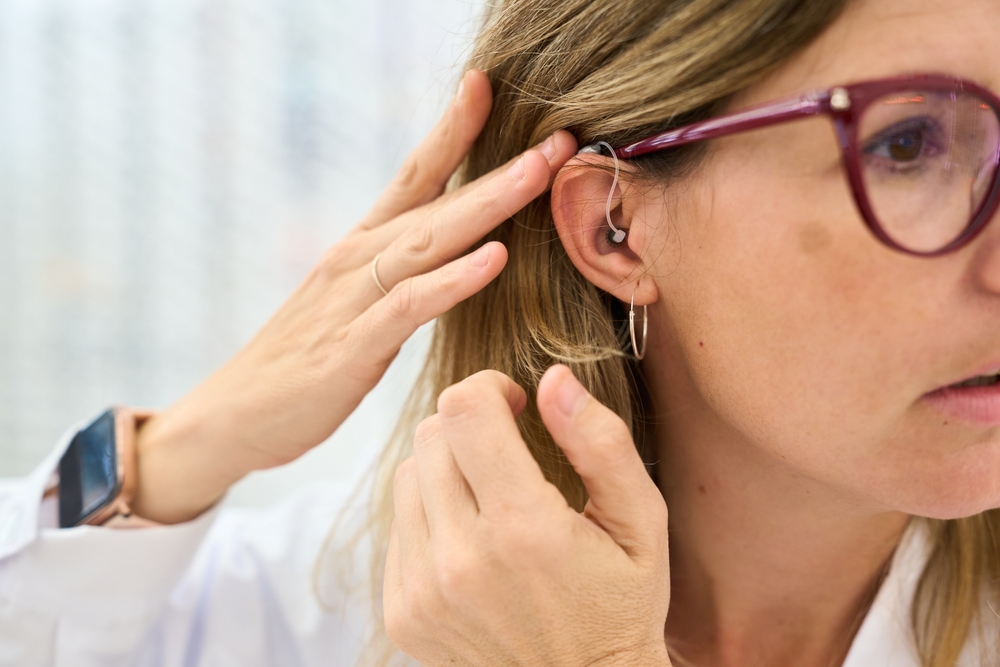
A person with glasses adjusts a behind-the-ear hearing aid on their right ear, with their hand gently touching the device.

Latest Advances in Auditory Devices: Transforming Appearance, Comfort, and Discreet Design

Many people put off getting hearing instruments for one simple reason: they picture something bulky, uncomfortable, and obvious. That worry makes sense if you’re picturing the devices of decades past. Plenty of patients have admitted they feared an ear-worn device would make friends and colleagues treat them as less capable of keeping up in conversation.

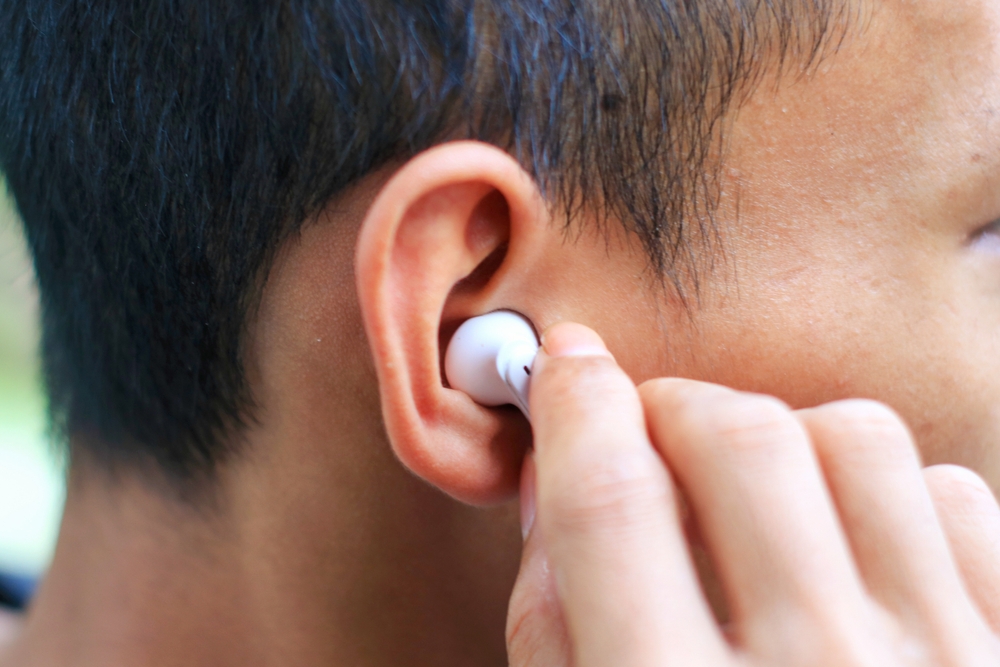
A person inserting a white wireless earbud into their ear, shown in close-up from the side.

The Risk of Noise-Induced Hearing Loss from Personal Audio Devices

Earbuds and headphones have become a regular part of everyday life, especially for teens and young adults. Whether listening to music, podcasts, or videos, personal audio devices offer a convenient way to enjoy sound without disturbing others. But can listening through earbuds or headphones damage your hearing? The device itself is not necessarily the problem—it’s

Smiling elderly woman with gray hair and glasses holds a hearing aid to her ear, sitting indoors near a window with light coming in.

Will Medicare Cover Your Hearing Aids? What You Need to Know

Does Medicare cover hearing aids? The honest answer is: No. Standard Medicare coverage does not include hearing aids. We understand this isn’t the preferred answer, and many individuals are caught off guard by this fact. Luckily, that isn’t the end of the discussion. Different avenues—including Medicare Advantage, payment plans, and extra benefits—can significantly lower the

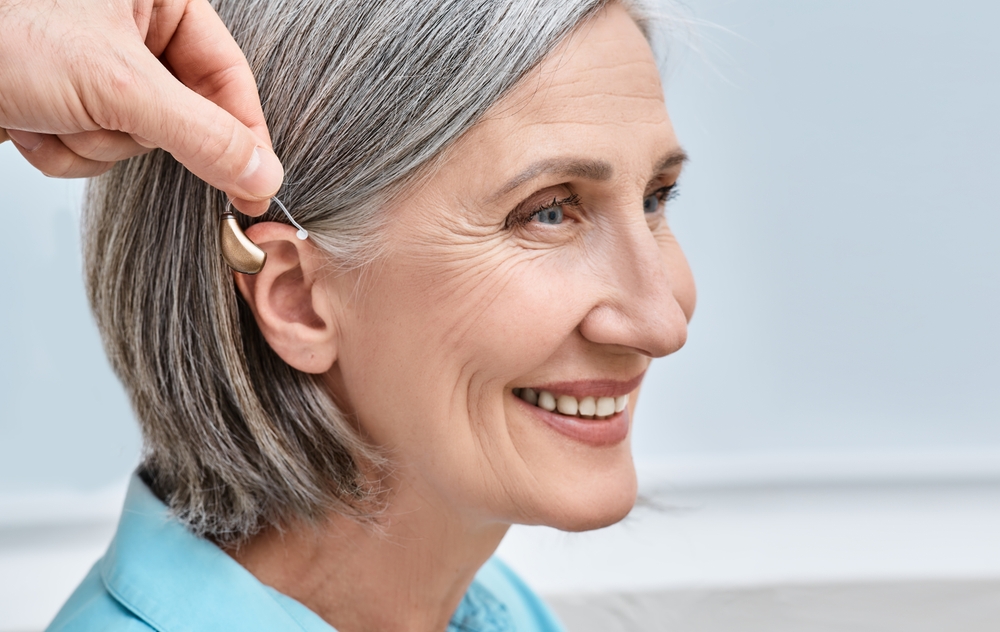
A smiling older woman with gray hair has a hearing aid placed behind her ear by another persons hand.

How Hearing Aids Support the Brain and Cognitive Health

When we think about hearing, we naturally focus on the ears. But hearing is actually a partnership between the ears and the brain. Your ears detect sound, while your brain processes those signals and turns them into words, meaning, emotions, and memories. When hearing loss reduces the amount of sound reaching the brain, listening can

A young woman sits on a couch, gesturing and talking to an older woman with gray hair who looks away, appearing upset or thoughtful. Both women have serious expressions in a home setting.

Beyond the Ears: Understanding Cognitive Hearing and Brain Function

Many people think of hearing as something that happens entirely in the ears. While the ears play an essential role, hearing is actually a complex process that depends on both the auditory system and the brain. Your ears collect sound, but your brain is responsible for interpreting those sounds and turning them into meaningful information.

A woman in a brown coat stands outside, clutching her collar and shivering, with a misty, green landscape blurred in the background.

The Impact of Seasonal Changes on Hearing Loss Symptoms

When people notice changes in their hearing, they often assume aging is the cause. However, seasonal conditions can also affect ear comfort and hearing clarity. Changes in temperature, humidity, allergies, respiratory illnesses, and air pressure may contribute to temporary symptoms such as muffled hearing, ear pressure, or a feeling of fullness. The good news is

A woman leans in to whisper to a man who cups his ear and looks confused or surprised, both sitting on a couch in a bright room.

Common Hearing Loss Myths vs. Reality

Hearing loss affects people of all ages, yet misconceptions about hearing health continue to prevent many people from seeking care. Believing common hearing myths can lead to delayed evaluation and treatment, making communication challenges more difficult to manage. Understanding the difference between hearing loss myths and reality can help you recognize potential changes in your