
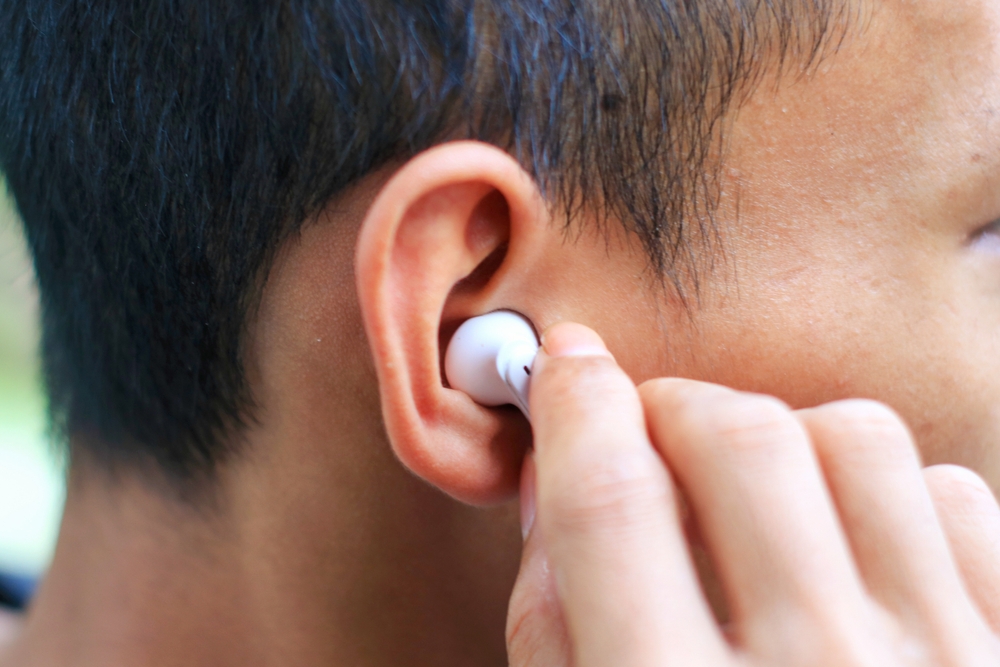
Earbuds and headphones have become a regular part of everyday life, especially for teens and young adults. Whether listening to music, podcasts, or videos, personal audio devices offer a convenient way to enjoy sound without disturbing others. But can listening through earbuds or headphones damage your hearing?
The device itself is not necessarily the problem—it’s how loudly and how long you use it.
How Loud Sounds Can Damage Your Hearing
Music can influence our mood, help us relax, or provide entertainment throughout the day. However, listening at excessive volumes for extended periods can put your hearing at risk.
The main concern is exposure to loud sound over time. High-volume sounds can damage the delicate sensory cells in the inner ear. Because noise-induced hearing loss often develops gradually, you may not notice the effects until significant damage has already occurred.
The risk depends on both how loud the sound is and how long you are exposed to it. The louder the sound, the less time it takes to potentially cause hearing damage.
Understanding the Risks of Personal Audio Devices
Noise-induced hearing loss (NIHL) can result from repeated or prolonged exposure to loud sounds. Personal audio devices can contribute to this risk when used at high volumes for extended periods.
Keep these factors in mind:
- Volume matters: The louder you listen, the greater the potential risk to your hearing.
- Listening time matters: Even moderately loud sounds can become harmful when exposure is prolonged or repeated.
- Give your ears regular breaks: Taking breaks between listening sessions can reduce your overall exposure.
- Keep the volume comfortable: If you need to raise your voice to talk to someone while wearing headphones, the volume may be too high.
- Use volume-limiting features: Many smartphones and audio devices offer settings that can help prevent excessively loud listening.
Rather than relying on a specific volume percentage for everyone, focus on keeping the volume at a comfortable level and limiting your total exposure to loud sound.
Recognizing Possible Signs of Hearing Damage
Hearing changes caused by noise can be subtle at first. Pay attention to symptoms such as:
- Ringing or buzzing in your ears (tinnitus)
- A feeling of fullness or pressure in your ears
- Muffled hearing after listening to loud music
- Difficulty understanding conversations, especially in noisy environments
- Frequently asking others to repeat themselves
- Increasing the volume on your television, phone, or headphones
If you regularly experience these symptoms or are concerned about changes in your hearing, a professional hearing evaluation can help determine whether hearing loss may be present.
Protect Your Hearing for the Long Term
Earbuds and headphones can be part of a healthy listening routine when used responsibly. Keeping the volume at a reasonable level, taking regular breaks, and limiting exposure to loud sounds can help protect your hearing over time.
If you are experiencing persistent tinnitus, difficulty understanding speech, or other changes in your hearing, contact our office to schedule a hearing evaluation. Early attention to hearing concerns can help you understand what is happening and determine the appropriate next steps.