
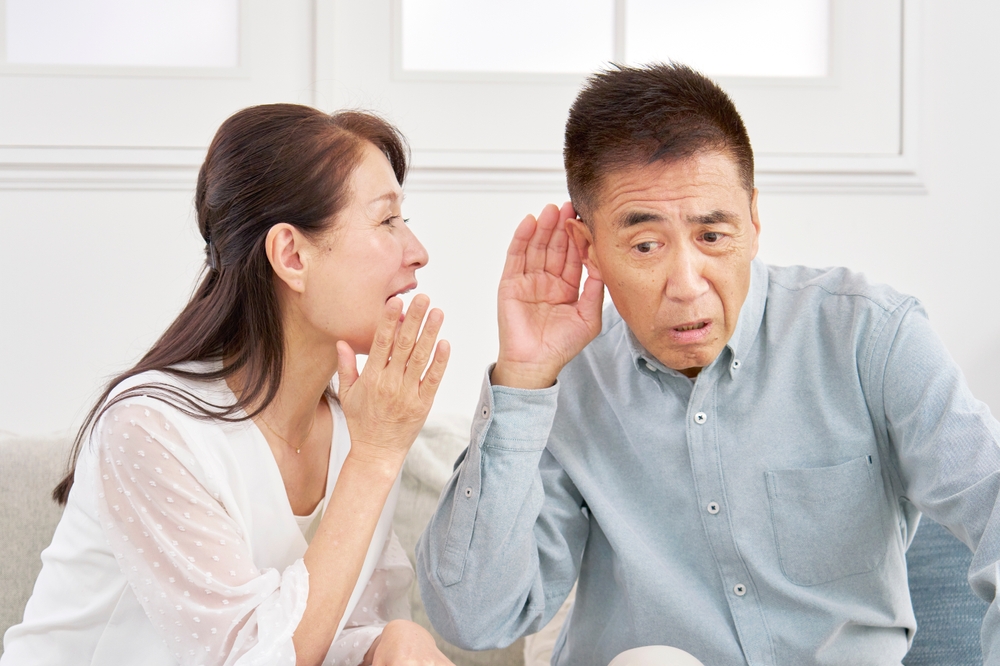
Hearing loss affects people of all ages, yet misconceptions about hearing health continue to prevent many people from seeking care. Believing common hearing myths can lead to delayed evaluation and treatment, making communication challenges more difficult to manage.
Understanding the difference between hearing loss myths and reality can help you recognize potential changes in your hearing and make informed decisions about your care. Let’s look at seven common misconceptions and the facts behind them.
Myth 1: Hearing Loss Only Affects Older Adults
Reality: Hearing loss can affect people of any age.
Although age-related changes are a common cause of hearing loss, younger adults and children can also experience hearing difficulties. Exposure to loud noise, certain medical conditions, medications, genetics, and other factors can contribute to hearing loss.
Assuming that hearing problems only occur with age may cause younger individuals to overlook important warning signs and delay an evaluation.
Myth 2: If I Can Hear, I Don’t Have Hearing Loss
Reality: Hearing loss does not always mean that you cannot hear sounds.
Many people with hearing loss can hear that someone is talking but have difficulty understanding the words, particularly in noisy environments. You may notice that you frequently ask others to repeat themselves, struggle to follow group conversations, or find yourself turning up the volume on the television.
Difficulty understanding speech in background noise can be an important reason to schedule a professional hearing evaluation.
Myth 3: Hearing Loss Is Just an Inconvenience
Reality: Hearing loss can affect much more than your ability to hear.
Communication difficulties may affect relationships, social participation, work, and overall quality of life. Some people with untreated hearing loss begin avoiding social situations because conversations have become difficult or tiring.
Hearing loss has also been associated with cognitive and emotional health concerns. Addressing hearing difficulties early can help you stay connected and engaged in everyday life.
Myth 4: Hearing Aids Make Your Hearing Worse
Reality: Properly fitted hearing aids are designed to provide appropriate amplification based on your hearing needs.
There is a common misconception that wearing hearing aids makes the ears dependent on amplification or causes hearing to deteriorate. Properly selected and programmed hearing aids are intended to make speech and other important sounds easier to hear without exposing your ears to unnecessarily high levels of sound.
Your hearing professional can adjust the devices based on your hearing test results, comfort, and listening needs.
Myth 5: Hearing Aids Are Large, Noticeable, and Uncomfortable
Reality: Modern hearing aids are smaller, more discreet, and more technologically advanced than many people realize.
Today’s devices are available in a variety of styles and sizes, including models